eThekwini Faces R6.5bn Flood Claim from Toyota’s Insurer

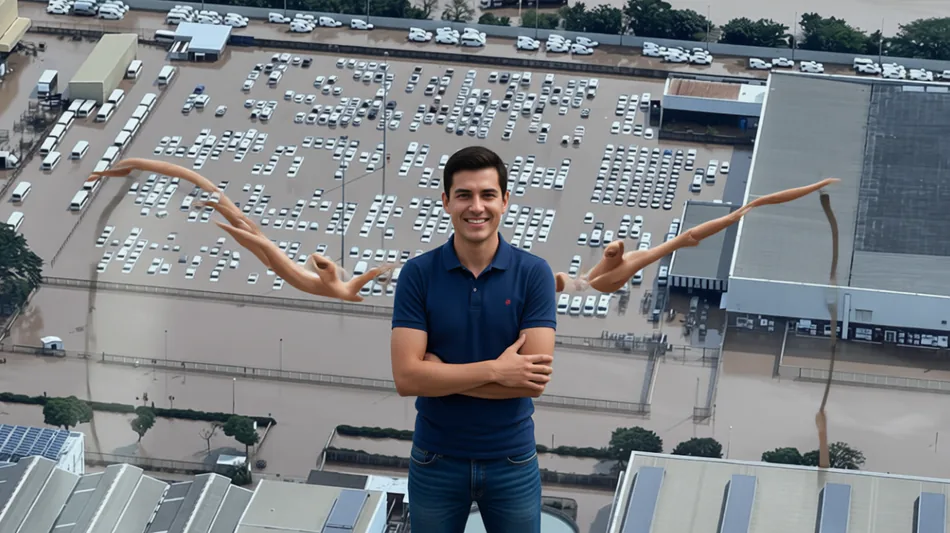
Tokio Marine & Nichido Fire Insurance has launched a legal action demanding R6.5 billion from the eThekwini municipality and other state entities to reimburse costs associated with flood damage to Toyota South Africa Motors’ Durban facility. The claim, stemming from the April 2022 floods, has ignited a fierce debate regarding whether public funds should bear the financial burden of risks underwritten by private insurers for major industrial polluters.
Tokio Marine & Nichido Fire Insurance is demanding R6.5 billion from the KwaZulu-Natal Department of Transport, Transnet, and the eThekwini municipality to reimburse the costs it incurred after paying out claims for Toyota South Africa Motors following the catastrophic April 2022 floods in Durban.
The legal action, initiated in early 2025, centers on the destruction of Toyota’s prospection plant in Durban. The insurer argues that as a multinational entity with substantial resources, it should not be forced to absorb losses for risks it was explicitly paid to underwrite. However, the demand has triggered a contentious public debate over whether a financially strained municipality should ultimately bear the cost of industrial climate damage through its taxpayer-funded budget.
The April 2022 floods remain one of the most severe disasters in South Africa’s recent history. Official estimates place the death toll between 435 and 448 individuals. The disaster caused extensive infrastructure damage and resulted in economic losses estimated at approximately R17 billion nationwide.
Scientific analysis has linked the severity of the event to human-induced climate change. A study by Wits University’s attribution science team found that rainfall during the April 2022 storm was at least 40% heavier than it would have been in a pre-industrial climate. The research highlighted that accumulated industrial emissions, particularly from heavy industry lining south Durban where Toyota’s plant is located, significantly worsened the disaster.
Toyota South Africa Motors has stated it will not receive any compensation from this specific damages claim. The R6.5 billion demand is a subrogation claim made by Tokio Marine to recoup its own payout to the automotive manufacturer. This distinction is critical to understanding the nature of the litigation: a private insurer is seeking reimbursement from public entities for a risk associated with a major global corporation.
The timing of the lawsuit has raised questions about the municipality’s legal strategy. With pleadings from state defendants not yet publicly forthcoming, observers have speculated whether eThekwini might have settled the matter out of court. Such a settlement would have profound implications for residents who are still recovering from the 2022 disaster.
Critics of the claim argue that shifting the expense to the municipality forces public coffers and taxpayers to bear the financial weight of climate loss and damage, rather than the sector responsible for it or prepared to manage it. The commercial logic of insurance, they contend, requires that risk be priced, premiums collected, and payouts made when risks materialize without recourse to third parties.
The eThekwini municipality’s budget is supported by rates and service fees from residents who are still attempting to rebuild their lives and homes. A judgment or settlement of this magnitude would be financed through these already stressed channels. The metro lacks independent sources of funding outside of South African taxpayers, particularly the Durban community.
Funds diverted to Tokio Marine would be taken away from basic service needs and infrastructure upgrades across the metro. This dynamic has been described as a classic David versus Goliath battle between locals awaiting basic recovery support and a multinational insurance company capable of paying millions in legal fees.
The potential precedent set by allowing such a claim is also a point of concern. Allowing polluters to benefit from communities they have harmed through industrial emissions could establish a dangerous norm. However, the municipality has been urged not to resign itself to settlement without defense. Genuine negligence in maintaining flood infrastructure is not excused by these arguments; if records reveal blatant shortcomings, they should be proven in court.
The eThekwini municipality is advised to properly defend the claim and require the insurer to prove its case on its merits. Tokio Marine received a premium to carry this specific risk, and advocates argue it must do so without shifting the liability to the public.
A.Ikaika--HStB