Cambodia says Thai border clashes displace over half a million
More than half a million people in Cambodia have been displaced by two weeks of deadly border clashes with neighbouring Thailand, Phnom Penh said Sunday, ahead of regional talks aimed at easing tensions.
The renewed fighting between the Southeast Asian neighbours this month, including with tanks, drones and artillery, has killed at least 22 people in Thailand and 19 in Cambodia, officials said.
The conflict stems from a territorial dispute over the colonial-era demarcation of their 800-kilometre (500-mile) border and a smattering of ancient temple ruins situated on the frontier.
Cambodia and Thailand both said Sunday that a meeting of Southeast Asian foreign ministers hosted by Malaysia on Monday was expected to de-escalate tensions, with Bangkok calling it "an important opportunity for both sides".
Thai foreign ministry spokeswoman Maratee Nalita Andamo reiterated earlier conditions for negotiations, including Bangkok's demand that Phnom Penh be first to announce a truce, and cooperate in de-mining efforts at the border.
Those conditions, Maratee told reporters, "will guide our interaction in the discussions tomorrow in Kuala Lumpur".
Cambodia's foreign ministry said the meeting aimed to restore "peace, stability and good neighbourly relations".
Phnom Penh would "reaffirm its firm position of resolving differences and disputes through all peaceful means, dialogue and diplomacy," it added.
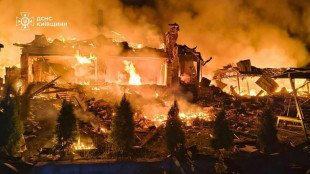
Cambodia's interior ministry said more than 518,000 people were "suffering severe hardship due to forced displacement from their homes and schools" to escape Thai artillery and air strikes.
The fighting has displaced around 400,000 people in Thailand, Bangkok has said.
Thailand's defence ministry spokesman Surasant Kongsiri told reporters on Sunday that more than 200,000 remained in shelters.
"There are some villagers that can return home," he said, warning however that there may still "be some dangerous mines or bombs left".
- Temple clashes -
Each side has blamed the other for instigating the fresh fighting and traded accusations of attacks on civilians, after five days of clashes in July killed dozens.
The United States, China and Malaysia brokered a truce to end that round of fighting, but the ceasefire was short-lived.
In October, US President Donald Trump backed a follow-on joint declaration between Thailand and Cambodia, touting new trade deals after they agreed in Kuala Lumpur to prolong their truce.
But Thailand suspended the agreement the following month, after Thai soldiers were wounded by landmines while on patrol at the border.
Bangkok has accused Cambodia of laying fresh mines, an allegation denied by Phnom Penh.
Trump, who has placed the conflict between Cambodia and Thailand on a list of wars he said he solved, this month claimed the two countries had agreed to a new ceasefire.
But Bangkok denied any truce had been agreed, and fighting has continued daily since a border skirmish on December 7 sparked the latest clashes.
US Secretary of State Marco Rubio said on Friday that Washington was hoping Cambodia and Thailand would reach a new ceasefire by Tuesday.
The Thai government gave no guarantee that Monday's meeting would produce a truce, saying in a statement that a "ceasefire can only be achieved when it is based primarily on the Thai military's assessment of the situation on the ground".
Cambodia, which is outgunned and outspent by Bangkok's military, said Sunday that Thai forces had continued to attack since dawn, with fighting occurring on the border near the 900-year-old Preah Vihear temple.
A patch of contested land next to the UNESCO-listed heritage site was the site of military clashes in 2008, and sporadic violence for several years after led to the deaths of two dozen people.
A UN court ruling in Phnom Penh's favour in 2013 settled the matter for more than a decade, but this year's crisis erupted in May when a Cambodian soldier was killed in a new clash.
O.Wailani--HStB